Pet Spay & Neuter

Dog and Cat Spay & Neuter Services in Newburgh, NY

At Newburgh Veterinary Hospital, we recommend that just about every dog or cat have a spay or neuter surgery. This routine procedure brings a number of health benefits to both male and female pets, such as avoiding cancer, reducing aggressive behaviors, eliminating pyometra (uterine infection), prostate, and testicular cancers, and males and females are less likely to get lost or injured, as it reduces roaming instincts.

In addition, spay and neuter helps combat the issue of pet overpopulation. Each year, millions of cats and dogs end up in shelters and many of them will never find forever homes.

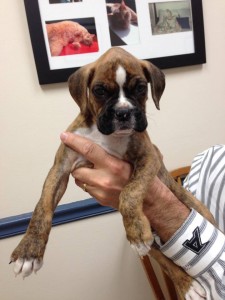
Cute labrador puppy dogs in the arms of veterinary healthcare professional - getting ready for their first vaccine

When to Spay or Neuter Your Dog or Cat

We generally recommend all puppies and kittens receive a spay or neuter surgery at six months of age. After your pet's first round of vaccinations, we will discuss a timetable for your pet's surgery. It is always best to spay and neuter sooner, rather than later.

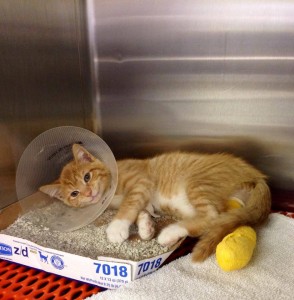
As with any surgery, our team examines each pet prior to their procedure. During the procedure we'll monitor your pet regularly. After surgery, we will update you on your pet's condition. Upon discharge, we will go over follow-up instructions and thoroughly answer any questions or concerns you may have about recovery.

Schedule an appointment for your pet's health today!

Frequently Asked Questions

What is the difference between spaying and neutering?

Spaying is a surgical procedure to remove a female pet’s reproductive organs, while neutering refers to removing a male pet’s testicles. Both procedures prevent reproduction and offer important health and behavioral benefits.

When should I spay or neuter my pet?

Most pets are spayed or neutered between 4–6 months of age, but timing can vary based on your pet’s breed, size, and health. Your veterinarian can recommend the best time for your pet.

How long does the surgery take?

The procedure itself typically takes 30–60 minutes, though your pet will stay with us longer for preparation, monitoring, and recovery. Your pet will be dropped off in the morning and discharged in the afternoon to evening. 

Will my pet need to stay overnight?

Most pets go home the same day. In some cases, your veterinarian may recommend extended monitoring depending on your pet’s needs.

How should I prepare my pet for surgery?

You’ll typically be asked to withhold your pet's food the night before surgery, no food after midnight or in the morning. Your veterinary team will provide exact instructions prior to your appointment.

What should I expect after surgery?

Mild grogginess, reduced activity, and slight swelling at the incision site are normal. Most pets recover within 10–14 days.